

Screen Time Ban in ECE: A Sector View from Aroha Consulting
By Kiya, Founder & Director, Aroha Consulting | Published 20 September 2026
Key takeaways
- National has promised to ban screens and individual devices in NZ early childhood centres and tightly limit them in Years 1–3 if re-elected on 7 November 2026.
- The intent is sound. Most good ECE practice already puts relationships, play and language ahead of screens, in line with Te Whāriki.
- The details matter. Centres need clarity on teacher devices used for learning stories and documentation, on assistive technology, and on who delivers the new School Start Check.
- The biggest lever for children’s outcomes is still enough qualified, well-supported kaiako in every room.
What has National announced?
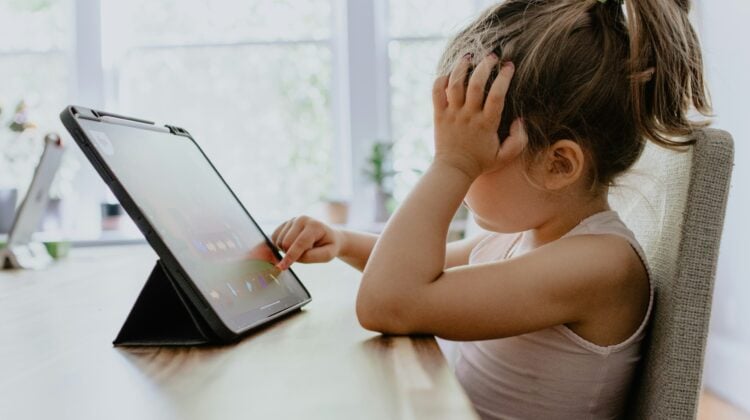
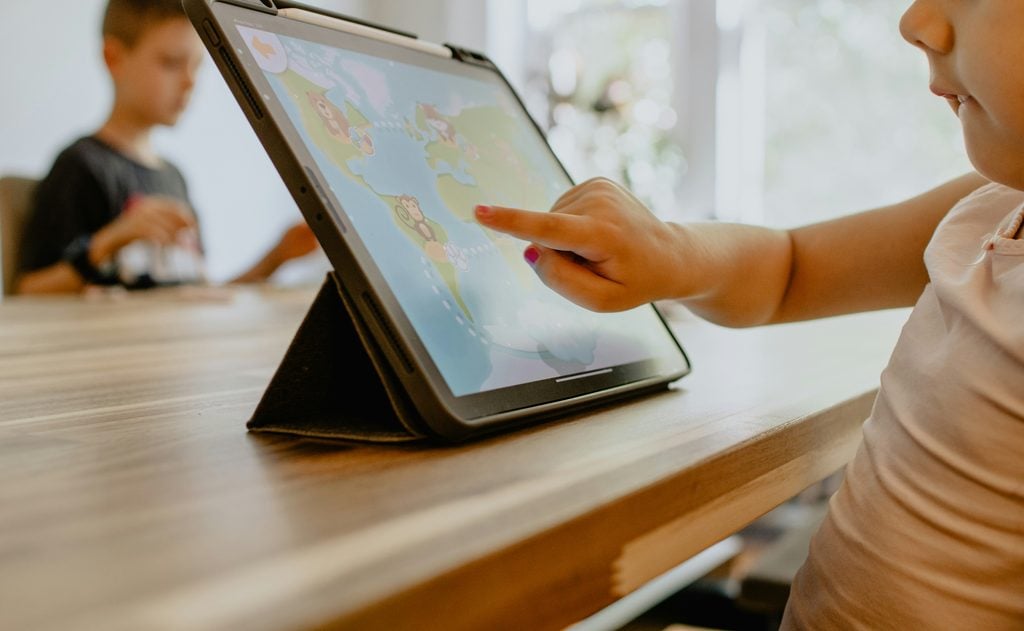
If re-elected, National would end screen and individual device use in early childhood centres, tightly limit screen time in years 1 to 3 of primary schooling and bring in age-appropriate limits for older primary school students. Stuff
The screen time ban is one part of a wider school readiness package. It would also introduce a school start check at ECE, set clearer developmental milestones and report progress to parents, and route children who need support to the Early Intervention Service. Education spokesperson Erica Stanford framed it simply. Technology still has a place in education, she said, but should enhance learning, “not become the default way children learn.” Source: Newstalk ZB & RNZ
Why does this matter to ECE centres?
Since 2017, Aroha Consulting has placed permanent and relief teachers across Auckland’s early childhood sector. Through Aroha Connect, we support more than 100 active ECE centres. Every week our relief teachers walk into different rooms with different routines, and they see the reality of how tamariki spend their day.
So I’m reading this policy the way a centre manager or kaiako would. What does it change on Monday morning?
What are the pros of a screen time ban in ECE?
It reinforces what quality ECE already looks like. Te Whāriki is built on relationships, exploration, communication and belonging. Books, conversation, messy play and hands-on learning are the heart of good early childhood practice. A national position backing that is welcome.
It responds to real concerns from new entrant teachers. Stanford said teachers are seeing more new entrants starting school without basics such as toilet training and dressing independently. Anything that sharpens the focus on fine motor skills, oral language and self-care helps children start school confidently. Source:Newstalk ZB
It gives centres a clear line with families. Many centres already limit screens, but pressure from parents or inconsistent practice between rooms can blur things. A clear national standard makes those conversations easier.
It’s consistent with international direction. New Zealand isn’t alone. Several US states, including Alabama and Utah, passed laws in 2026 setting screen time standards for early learners. Source:MultiState
It links readiness to early support. Clearer milestones and referral to early intervention could help children who need support get it sooner, rather than waiting until they’re struggling at school.
What are the cons and open questions?
Teacher devices are a grey area. Kaiako use tablets and phones every day for learning stories, parent communication, photos and assessment through platforms like Storypark. Does “no devices” mean children only, or does it affect teacher documentation too? National hasn’t yet said how centres should treat devices teachers use for assessment or documentation. The policy needs to say clearly that documentation tools stay. Source: NEWS WIRE
Assistive and inclusive technology must be protected. Some tamariki rely on communication devices, visual schedules or other assistive tech. A blanket ban must include clear exemptions for children with additional learning needs.
The evidence is suggestive, not settled. The studies National cited mainly measured screen viewing at home and couldn’t prove screens caused the outcomes. That doesn’t mean the caution is wrong, but home screen habits may matter more than the small amount of screen use in most centres. Source:RNZ
The School Start Check needs people. The check hasn’t been costed, and National hasn’t said who would carry it out, in a sector already under staffing pressure. Assessing every child against milestones, meeting with parents and making referrals takes qualified teacher time. From where we sit, filling rosters every day, that time doesn’t appear from nowhere. Source: NEWS WIRE
Workforce is the bigger issue. Opposition parties have made this point too. Labour leader Chris Hipkins argued that improving ECE outcomes depends on getting quality teachers in front of children. Whatever your politics, anyone who has staffed an ECE centre knows ratios, qualified teachers and staff wellbeing shape a child’s day far more than whether a tablet is in the room. Source: NEWS WIRE
Will this change how centres staff and train?
Probably, in a few ways:
- Relief teachers will need clear, consistent guidance. Relief kaiako move between centres, so a national standard is easier to follow than centre-by-centre rules. We’ll brief our relief pool as details emerge.
- Centres may need extra release time for School Start Check assessments and parent conversations.
- Hands-on, language-rich practice becomes even more valuable. Teachers skilled in oral language, early literacy and fine motor play will be in demand.
Our final thoughts
At Aroha Consulting, we support the intent: tamariki learn best through people, play and conversation, not screens. For most quality centres, this policy describes what they already do.
But a screen time ban on its own won’t lift outcomes for young children. The policy must protect teacher documentation tools and assistive technology. It must fund the School Start Check properly. And above all, it must back the people who do this work. Get enough qualified, supported kaiako into every room, and school readiness follows.
Whichever party forms the next government after 7 November, we’ll be asking the same question: who is going to be in the room with our tamariki, and are they supported to do their best work?
Are you a centre manager or kaiako with a view on the ECE screen time ban? Get in touch with me at kiya@arohaconsulting.co.nz. And if you need qualified ECE relief teachers or permanent staff in Auckland, Wellington, Christchurch or Waikato, talk to Aroha Consulting.
Frequently asked questions
Is National banning screens in early childhood centres?
Yes, if re-elected. National has promised to end screen and individual-device use for children in NZ ECE centres and tightly limit screens in Years 1–3 of primary school.
When would the ECE screen time ban start?
National hasn’t given a start date or said whether it would come through licensing criteria, curriculum or regulation. The general election is on 7 November 2026.
What is the School Start Check?
It’s a proposed check at ECE before a child moves to primary school, assessing development against milestones such as self-care, pencil grip and oral language. National says it is not a pass/fail test and will not stop a child starting school.
Will ECE teachers still be able to use tablets for learning stories?
This hasn’t been confirmed. Centres should watch for detail on whether teacher documentation devices are exempt.
What does Aroha Consulting think of the policy?
We support less screen time for young children, but believe outcomes depend most on having enough qualified, supported ECE teachers. We want clear rules on teacher devices and assistive technology, plus proper funding for the School Start Check.